
The Royal College of Organists produces, holds and manages an unparalleled body of resources for organists and choral directors.
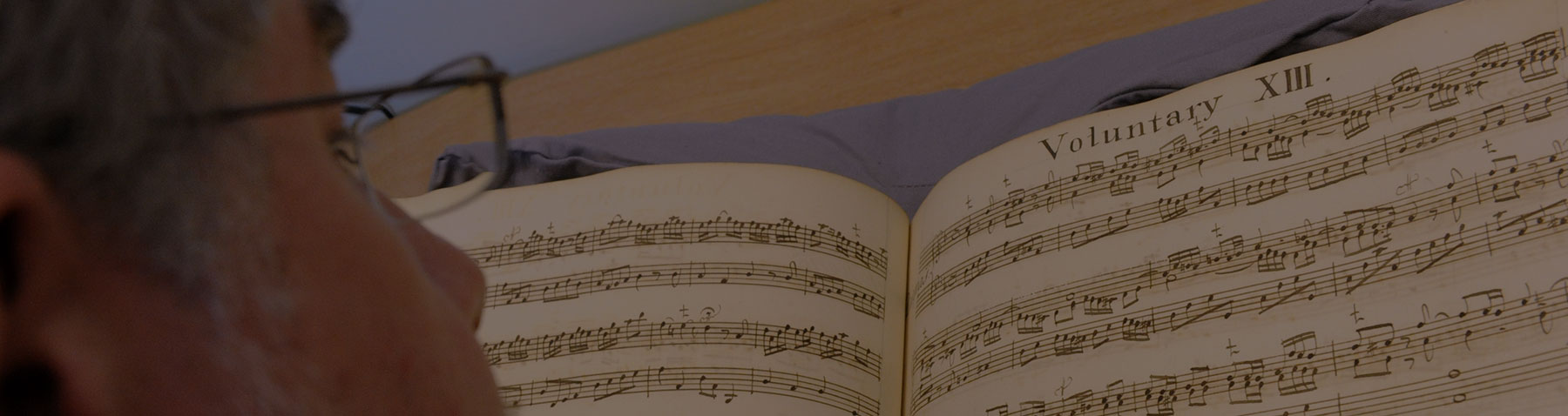
The College's library supports organists, choral directors and scholars of the organ and its music with comprehensive specialist holdings of organ and choral music and books which are known across the world. Read more.
We produce a number of our own publications through the course of the year, including RCO News and our annual research publication RCO Journal. Read more.
Launched at the beginning of 2016, our new virtual campus iRCO contains a growing body of learning, professional, archival, scholarly and more general information for organists and choral directors. Read more.
As part of our wider support for scholarship and academic work, College is responsible for the day-to-day management of the National Pipe Organ Register (NPOR), a unique internet-based database containing details of 31,000 organs, and includes 10,000 pictures and 260 sound recordings. Read more.
The College also manages the remarkable Early English Organ Project (EEOP), through which two rebuilt pre-Reformation organs are made available for use in liturgy, concert, and educational work. Read more.